Years 1–3
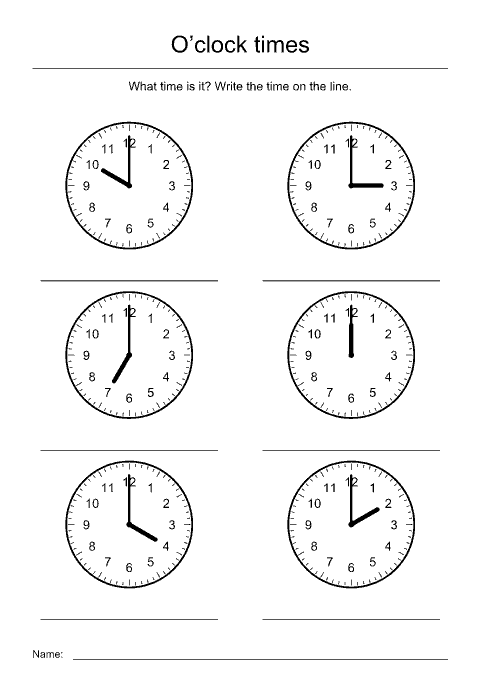
Free printable telling time worksheets on A4 for years 1–3: o’clock, half past, quarters, five minutes, digital and 24-hour time. Draw the hands, make a clock.
Years 1–3
8 + 5 A4 pages
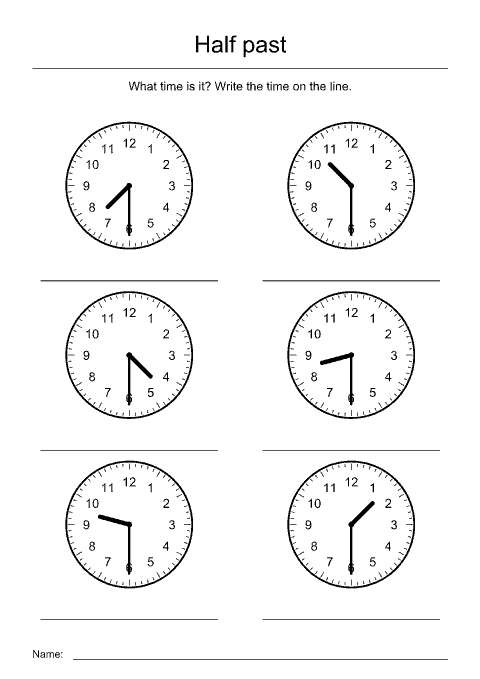
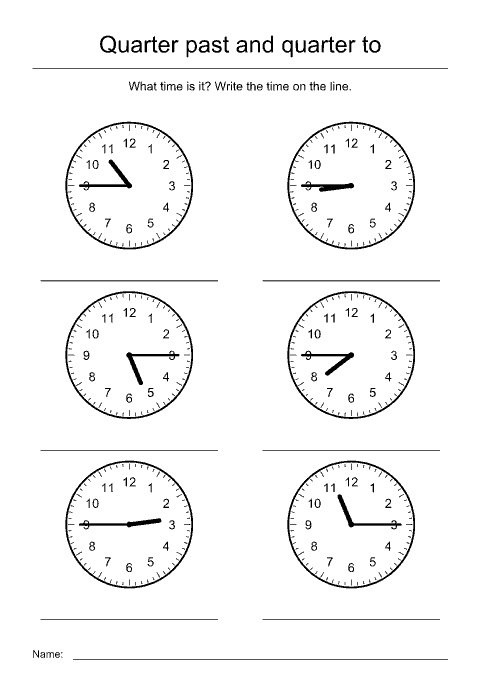
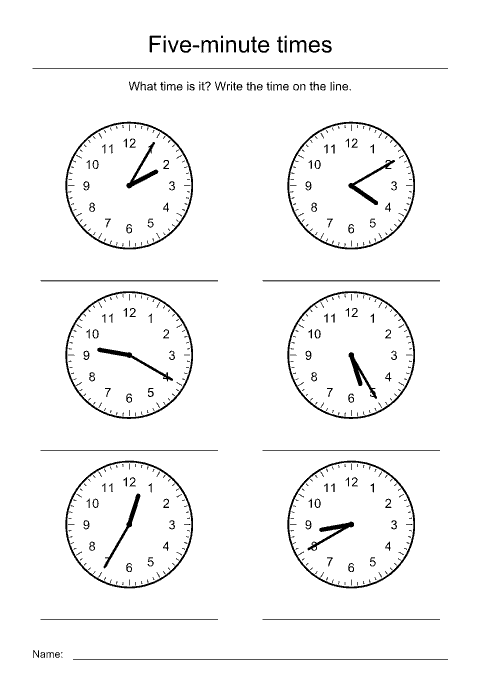
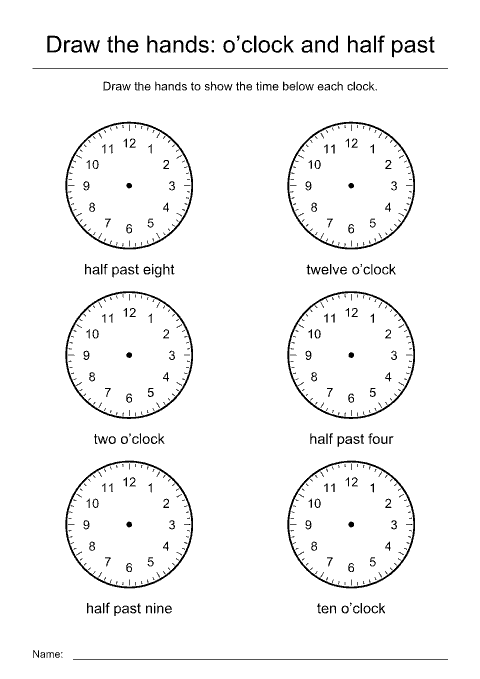
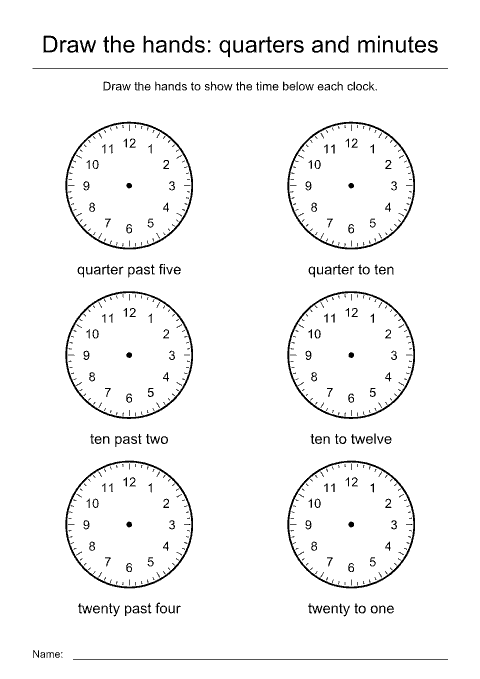
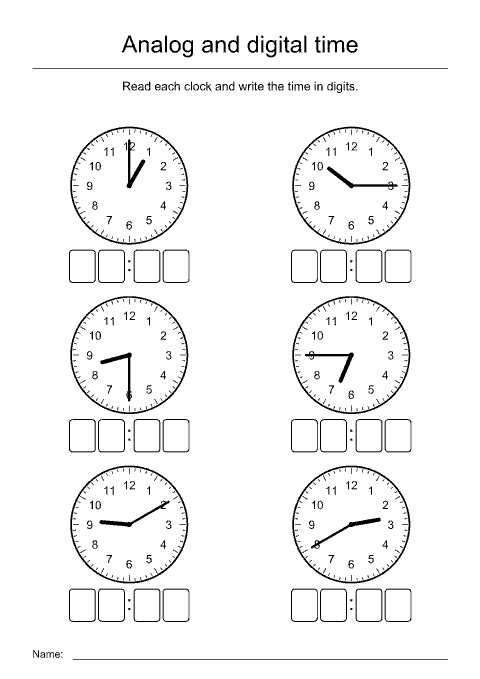
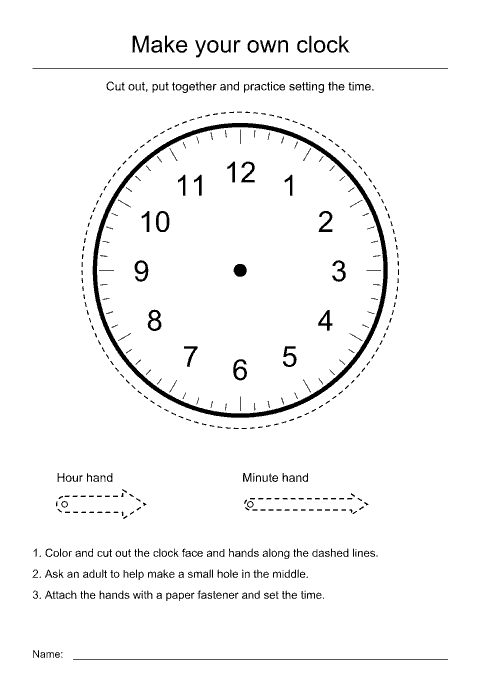
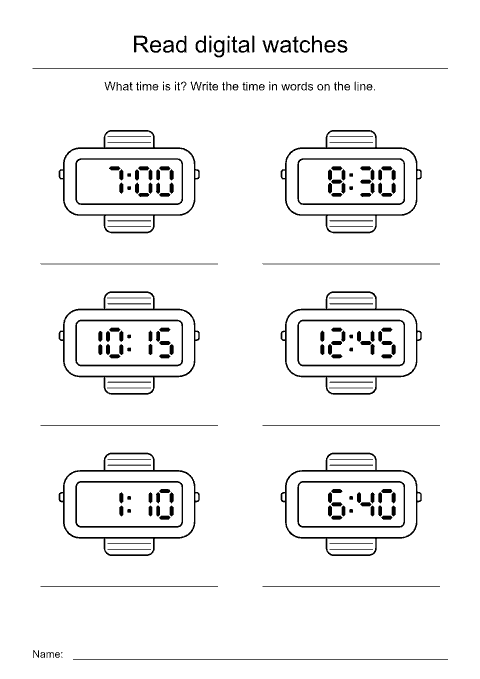
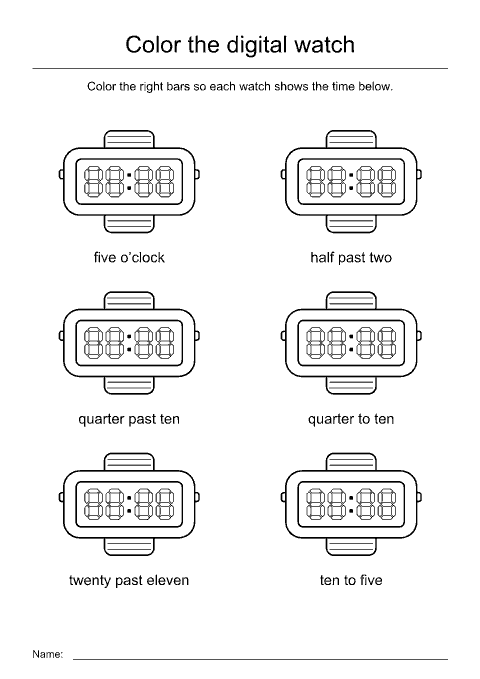
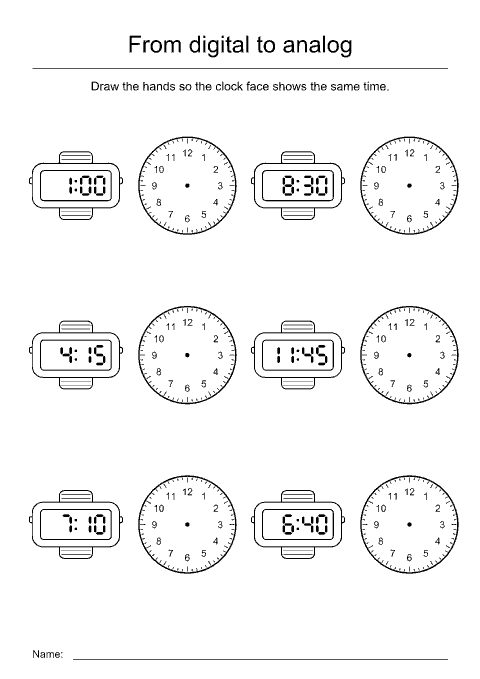
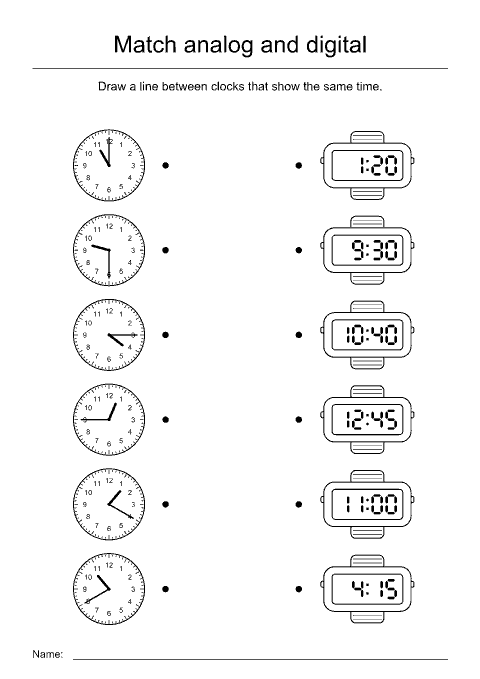
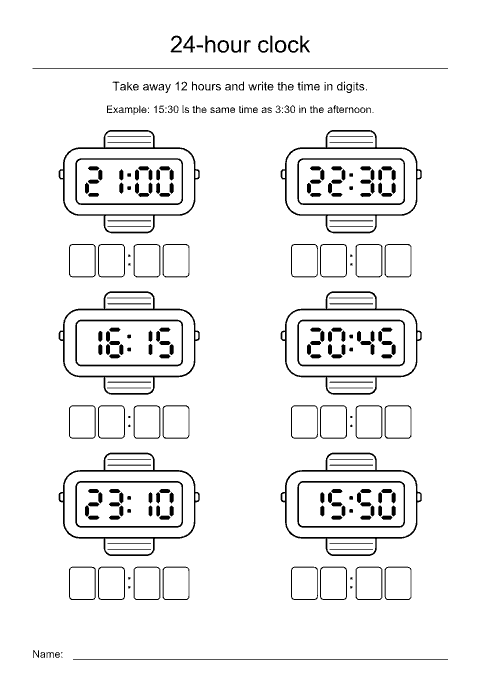
Learn to tell time step by step: o’clock, half past, quarter past and quarter to and five-minute times. Digital watches have their own sheets, with 24-hour times, and their own PDF. Draw the hands yourself and make your own cut-out clock. The English edition uses English time phrases.
An idea to try: Start with o’clock times and look at the short hand first. Then move on to half past and quarters. Talk about everyday times, such as breakfast, and set your own paper clock together.
Choose based on what the child already knows and increase the difficulty step by step. Worksheets appear in the gallery’s ages 6–12 group and mainly suit Swedish years 1–3.
The clock sheets offer practice reading and setting analog clocks, reading digital watches and 24-hour times, linking analog and digital time and talking about time in everyday life. The worksheets mainly suit years 1–3. Choose sheets based on what the child already knows, do a part at a time and talk about how the child is thinking.
Swedish compulsory school follows Lgr22. These sheets are supplementary material and not part of any official assessment.
Open a worksheet and choose Print (A4). Select portrait A4 paper and turn off headers and footers. You can also choose Save as PDF in the print dialog.
Start with a sheet where the child can manage most of the tasks, and move on when it feels easy. Short, frequent practice beats many sheets at once.
Yes, every worksheet is free to print at home or at school. You do not need an account.